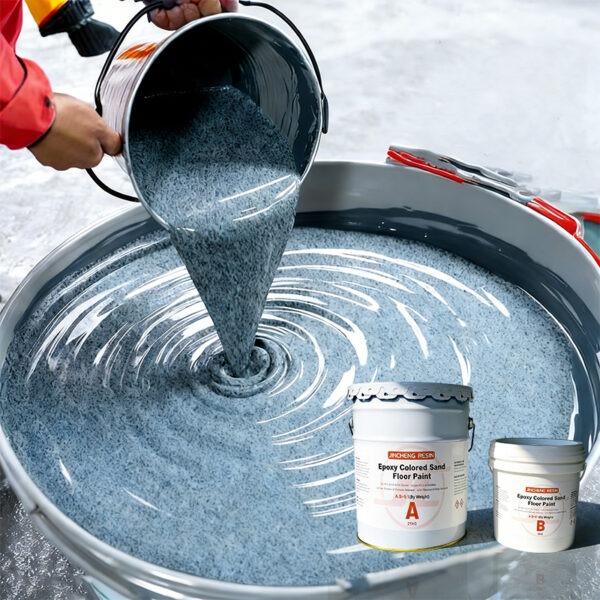
Flooring can influence the entire appearance of a room. While durability and performance are essential, color and texture also matter when designing a commercial or industrial space.
Epoxy colored sand flooring offers a range of decorative possibilities because different aggregate colors can be combined with resin to create distinctive surfaces.
However, selecting colors should involve more than simply choosing the shade you like most.
Consider the Purpose of the Space
Start by identifying how the room will be used.
A showroom may require a stylish and sophisticated appearance, while a workshop may benefit from darker or more practical tones.
A hospital, office, warehouse, restaurant, and retail store can each have different design requirements.
The flooring should complement the purpose of the space rather than compete with it.
Think About Existing Colors
Look at the walls, ceilings, furniture, equipment, displays, and other surfaces.
A floor with too many contrasting colors can make a space look visually busy. Neutral aggregate colors can provide a balanced foundation, while accent colors can be used to highlight specific areas.
Businesses can also use colors that complement their branding.
Light vs. Dark Colors
Light-colored floors can make smaller spaces appear brighter and more open.
However, they can also make dirt and stains easier to see.
Darker floors can provide a strong visual appearance and may hide certain types of dirt better, but dust and light-colored debris may become more visible.
For high-traffic environments, a balanced combination of colors can be a practical choice.
Using Multiple Colors
One advantage of epoxy colored sand floor coating is the ability to combine different aggregate colors.
A multi-tone design can create depth without requiring complicated graphics.
For example, neutral colors can be combined with a small amount of a stronger accent shade to create a distinctive but professional appearance.
Texture Matters Too
Color is only one part of the finished appearance.
The size, type, and distribution of aggregate can influence the texture and visual depth of the floor.
A fine aggregate may produce a more subtle appearance, while larger particles can create a more pronounced texture.
The appropriate option depends on both aesthetic preferences and functional requirements.
Consider Traffic and Maintenance
High-traffic areas should be designed with practicality in mind.
A floor that looks excellent when new may require more maintenance if it shows every mark and piece of dirt.
Facilities with heavy traffic may benefit from mixed or medium-tone color combinations that make everyday wear less noticeable.
Safety Considerations
Texture can have practical implications in areas where moisture or spills are possible.
If slip resistance is important, discuss the required performance with the flooring supplier or installer. The final texture should be selected based on actual site conditions.
Color can also be used to visually separate pedestrian areas from working or equipment zones.
Commercial Design
Retail and hospitality businesses often use flooring as part of their overall design.
A carefully selected aggregate combination can make a floor look more refined and help establish a consistent visual identity.
For commercial environments, consider how the flooring will look under both natural and artificial lighting before finalizing the color.
Sample Before Installation
Colors can appear different depending on lighting, surrounding surfaces, and aggregate distribution.
For this reason, obtaining a sample is a useful step before committing to a large installation.
View the sample under the lighting conditions of the actual space and compare it with walls, furniture, and other finishes.
Final Thoughts
Choosing colors and textures for epoxy flooring requires a balance between appearance, maintenance, safety, and practical use.
Consider the room’s purpose, lighting, traffic, existing design, and cleaning requirements before selecting an aggregate combination. A carefully planned color scheme can create an attractive floor that remains practical for everyday use.