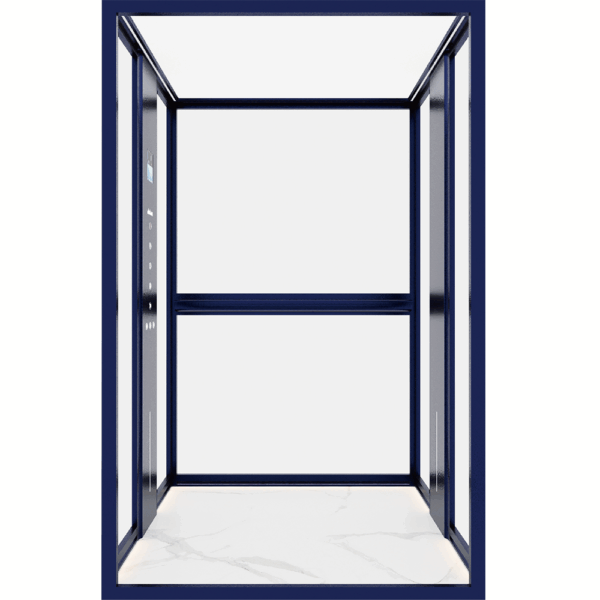
A glass elevator can dramatically change the appearance of a building. Transparent or panoramic cabins allow passengers to see surrounding architecture while creating a distinctive feature for visitors.
However, buying an observation elevator requires careful consideration. The manufacturer must deliver a system that combines attractive design with structural reliability, passenger safety, smooth operation, and long-term serviceability.
Panoramic Design
The primary attraction of a glass elevator is visibility.
Panoramic designs can provide passengers with views of atriums, shopping areas, hotel interiors, or outdoor surroundings. This makes them particularly valuable in buildings where architecture and visual experience are important.
The amount of glass and its positioning depend on the structural design and available installation space.
Structural Construction
A glass cabin still requires a strong supporting structure.
The manufacturer needs to consider cabin weight, passenger capacity, shaft configuration, door arrangement, and operating conditions.
The structure may use materials such as stainless steel or other engineered components selected according to the project’s requirements.
Glass Specifications
Not all architectural glass is suitable for elevator applications.
The manufacturer should provide clear information about the glazing system, including its safety characteristics and how it is secured within the cabin.
The glass should be selected according to applicable building and elevator requirements.
Passenger Capacity
Capacity is another important consideration.
A hotel serving large numbers of guests may require a different elevator configuration from a small private building.
The manufacturer should calculate the appropriate capacity based on expected traffic and building usage.
Overloading should always be prevented through appropriate control and safety systems.
Cabin Interior
The interior should match the building’s overall design.
Possible features can include:
- Stainless-steel finishes
- Decorative flooring
- LED ceiling lighting
- Modern handrails
- Custom control panels
- Decorative wall elements
A well-designed cabin can turn an ordinary transportation system into a prominent architectural feature.
Lighting
Lighting plays an important role in glass elevator design.
Because much of the cabin may be transparent, carefully positioned LED lighting can enhance the interior without overwhelming the surrounding architecture.
Different lighting temperatures and arrangements can be used to create different moods.
Door Design
The elevator doors should complement the cabin and building.
Glass doors can extend the panoramic appearance, while framed doors can provide a different architectural style.
The door system should also include appropriate passenger protection and safety mechanisms.
Accessibility
Passenger accessibility should be considered during the design stage.
The elevator should provide appropriate controls, door widths, floor access, and other features required by applicable accessibility regulations.
Accessible controls can include tactile markings, Braille, visible indicators, and appropriately positioned buttons.
Energy Efficiency
Energy efficiency is becoming increasingly important for modern buildings.
The elevator’s motor, lighting, control system, standby functions, and other components can influence overall energy consumption.
Ask the manufacturer about available energy-saving options and how they fit the project’s operational requirements.
Maintenance and Spare Parts
A beautiful elevator is only useful if it remains reliable.
Before selecting a manufacturer, ask about maintenance requirements and spare-parts availability.
Important components should be readily supportable throughout the expected service life of the elevator.
Choosing the Manufacturer
When evaluating a glass elevators manufacturer, look at more than product photographs.
Review manufacturing capabilities, technical specifications, customization options, safety systems, installation support, warranty terms, and after-sales service.
This provides a more complete picture of the supplier’s ability to support your project.
Conclusion
Glass elevators combine transportation with architectural design. Their transparent cabins can create impressive visual experiences, but the underlying engineering remains the most important consideration.
By evaluating glass quality, structural construction, capacity, cabin design, lighting, accessibility, energy efficiency, and maintenance support, project owners can select a system that balances appearance with reliable performance.