
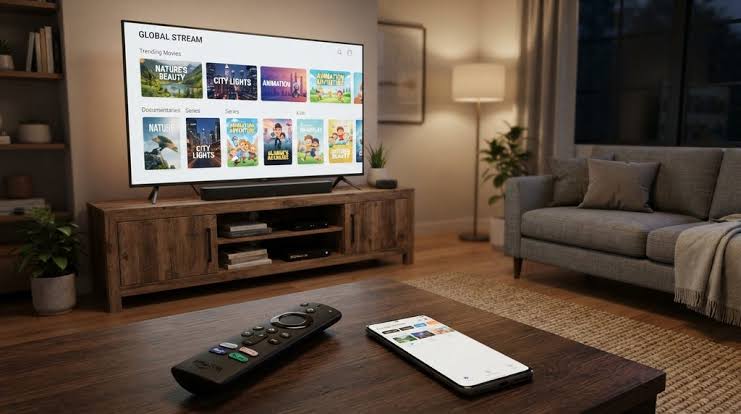
A new television can make an existing viewing arrangement feel outdated before anyone has checked what still works. The screen may be newer, while the household’s familiar player remains on a separate device. Before comparing subscriptions through Strong 8K IPTV, describe the equipment already available and the routine it needs to support. That simple inventory helps distinguish a genuine compatibility gap from the understandable appeal of buying something new. It also keeps hardware spending separate from the account being considered, so a subscription comparison does not quietly become a much larger equipment decision.
Start with the job the television needs to do
Consider a household replacing its main television while keeping a smaller screen in another room. One person prefers the old remote and another wants to use applications built into the new television. Neither preference establishes which arrangement supports the required player. List the tasks that matter: opening the application, finding familiar items, reading menus from the sofa and obtaining help when a specific screen differs from the instructions. Describe any overlapping viewing too. The most useful starting question is what the household needs to do, rather than which device has the longest feature list.
Identify every device in the current chain
Record the television model, connected streaming equipment, operating systems and exact player applications. Distinguish the screen showing the picture from the device running the software. A television may receive input from a separate box even though the viewer talks about using the television app. Check the actual arrangement through the relevant information screens and public documentation. Include any independent player account or licence, without recording its password in the inventory. These details make it possible to ask a precise compatibility question instead of relying on a broad product family name.
Test the existing route before replacing it
If authorized access is available, try the current equipment with the intended display and normal controls. Observe a few defined tasks instead of judging the setup from an opening screen. Can the regular viewer locate the player, read the selected menu item and return to the main view? Record what succeeds and what remains unclear. A successful check describes that arrangement at that time; it does not establish universal compatibility or future performance. Equally, one unfamiliar menu does not prove that the household needs a different device. Identify the specific difficulty first.
Separate compatibility from convenience
A player may be available for a platform while still feeling awkward for a particular viewer. Another arrangement may be familiar but require a separate remote. Keep these considerations in different columns of the decision record. Compatibility asks whether the exact device, software and account method are supported. Convenience asks how comfortably the household can use the confirmed arrangement. A preference for fewer remotes can matter, but it should not replace checking the player requirements. If accessibility is relevant, evaluate readable text and available documented controls from the real seating position.
Add hardware only to answer an identified need
Use the Strong 8K IPTV device and app compatibility guidance to frame questions about the exact models and applications under consideration. Confirm the proposed device’s relevant software route before ordering it. Avoid assuming that a newer version of a product family accepts the same application or uses identical menus. Ask what problem the additional device would solve, what setup it would require and who would maintain any separate software account. Include power, connections and placement requirements from the manufacturer’s documentation. A purchase decision becomes easier to assess when it answers a recorded need instead of an unspecified hope of improvement.
For example, the household might find that its existing connected device works comfortably with the new display. The unresolved issue could be learning which remote changes the television input, rather than replacing the player. In another case, the intended application might require a different supported route. These are different findings and should lead to different next steps. Describe the observed result and ask the relevant party for guidance. Do not turn a hypothetical example into a recommendation that every household should keep, replace or add the same type of equipment.
Compare the complete cost of each arrangement
When reviewing Strong 8K IPTV subscription options, compare account terms against the same intended routine. Record the subscription charge separately from equipment, independent player licensing and any other confirmed expense. Several installed devices do not establish permission for simultaneous viewing, so ask how the chosen account conditions apply to the actual overlap. Include the selected term and renewal arrangements as published or confirmed for that order. A lower hardware cost does not automatically make a subscription suitable, and a longer subscription does not resolve a local device limitation. Each expense should have a clear purpose.
Plan a manageable changeover
Before altering a working arrangement, retain nonsecret notes about its device, player and confirmed account method. Check which settings or local records a proposed reset or application removal would affect. Make one relevant change at a time where the documented process permits it, then repeat the original viewing task. Keep the previous result available for comparison. If someone else owns a device or application account, establish their involvement before changing it. A careful changeover gives the household a way to describe the new state without depending on memory or a pile of unrelated screenshots.
Keep a question list that separates the provider, player developer and equipment manufacturer. The provider can clarify the account arrangement; the developer can explain its application’s requirements; the manufacturer can document the hardware controls. Asking the appropriate party a specific question avoids treating one general reply as confirmation of every part of the setup. Retain the answer that applies to the actual model and installed version.
Choose the setup people can explain
Finish with a short comparison of the existing route and the proposed alternative. State which requirements are confirmed, which costs are separate and which questions remain unresolved. Let the regular viewer try the practical controls where a permitted test is available. The best reason to choose a setup is that it meets the household’s documented needs on understood terms. New hardware may help in a particular case, while existing equipment may already be sufficient in another. The decision should follow that evidence and leave the household with a setup it can use and describe clearly.