In today’s demanding world, stress has become a constant companion for many. Work deadlines, family responsibilities, social obligations, and personal challenges all contribute to an accumulation of physical, mental, and emotional tension. 성남출장안마 Over time, chronic stress can affect posture, reduce energy levels, create muscle tension, disrupt sleep, and impact overall health. For those seeking a natural and effective way to alleviate stress, professional massage care offers a comprehensive solution that addresses both the body and mind.
Unlike temporary stress relief methods such as short breaks or over-the-counter medications, professional massage provides a holistic approach to relaxation. By targeting areas of muscle tension, enhancing circulation, and promoting nervous system balance, massage care helps the body release built-up stress while allowing the mind to achieve a state of calm clarity.
Understanding Stress and Its Effects
Stress is the body’s response to challenges or demands. While short-term stress can sometimes motivate action, chronic stress has far-reaching consequences. Physically, stress manifests as muscle tightness, tension headaches, neck stiffness, shoulder discomfort, and back pain. Mentally and emotionally, it can cause anxiety, irritability, difficulty concentrating, and disrupted sleep patterns.
Professional massage care addresses these effects by encouraging the release of tension in both superficial and deep muscle layers. By calming the nervous system, reducing stress hormone levels, and promoting relaxation, massage offers relief from the symptoms of stress while also preventing its long-term impact on health.
How Professional Massage Promotes Stress Relief
Professional massage is more than just a soothing touch; it is a carefully crafted therapy designed to promote physical, mental, and emotional balance. The key mechanisms by which massage alleviates stress include:
- Muscle Relaxation: Massage helps to loosen tight muscles, break down adhesions, and reduce stiffness, which often accompanies stress.
- Circulatory Enhancement: Improved blood and lymph flow helps deliver nutrients to tissues, remove toxins, and restore energy.
- Nervous System Regulation: Slow, rhythmic movements activate the parasympathetic nervous system, helping the body shift from a state of tension to one of relaxation.
- Mindful Awareness: The process encourages individuals to focus on sensations and breathing, fostering mindfulness that further reduces mental strain.
These combined effects make professional massage care a highly effective method for relieving the physical and psychological effects of stress.
Techniques Used in Stress-Relief Massage
Professional massage therapists employ a variety of techniques, each designed to target tension and promote relaxation:
- Swedish Massage: This method uses long, gliding strokes and kneading to relax muscles, improve circulation, and enhance overall comfort.
- Aromatherapy Massage: Essential oils such as lavender, chamomile, or eucalyptus are used to complement massage techniques, boosting relaxation and emotional balance.
- Deep Tissue Massage: Focused pressure addresses deeper layers of muscle tension, particularly beneficial for chronic stress-induced tightness.
- Hot Stone Therapy: Heated stones placed on strategic points relax muscles and enhance blood flow, creating a profound sense of calm.
- Trigger Point Therapy: Targeting specific tension spots helps release tight knots and alleviates localized discomfort caused by stress.
A skilled massage therapist will assess individual needs and blend these techniques to create a tailored session that provides optimal stress relief.
Physical Benefits of Massage for Stress Relief
Professional massage care offers numerous physical advantages that contribute to overall wellness:
1. Reduced Muscle Tension
Stress often causes muscles to tighten involuntarily. Massage therapy loosens these muscles, relieves stiffness, and restores flexibility, which can prevent the development of pain or discomfort.
2. Improved Circulation
Better blood flow ensures oxygen and nutrients reach all parts of the body efficiently, supporting tissue repair and reducing fatigue. Enhanced lymphatic circulation also helps remove toxins and supports immune function.
3. Alleviation of Pain
Chronic stress can exacerbate conditions such as headaches, neck pain, or back discomfort. Massage addresses the root causes of tension, helping to relieve pain and restore comfort.
4. Enhanced Posture and Mobility
Muscle tightness caused by stress can lead to postural imbalances. Regular massage helps maintain proper alignment, reducing strain on joints and improving overall mobility.
Mental and Emotional Benefits
Massage therapy is equally beneficial for mental and emotional health:
- Stress Hormone Reduction: Regular massage lowers cortisol levels, reducing anxiety and tension.
- Mood Enhancement: Release of endorphins and serotonin improves mood and promotes a sense of well-being.
- Mental Clarity: Relaxation during massage allows the mind to reset, enhancing focus and productivity.
- Emotional Release: Massage provides a safe space for emotional tension to be expressed and released, supporting overall resilience.
By addressing both physical and emotional symptoms, professional massage care provides a holistic approach to stress management.
The Role of the Spa Environment
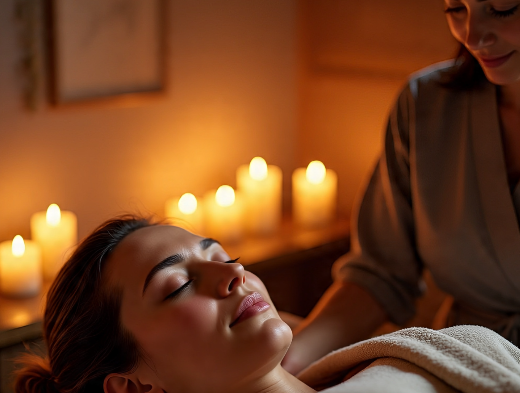
The setting in which professional massage occurs greatly enhances its effectiveness. A calming environment helps the body and mind transition into a state of relaxation more quickly:
- Lighting: Soft, warm lights create a peaceful atmosphere.
- Sound: Gentle music or nature sounds minimize distractions and promote calm.
- Aromatherapy: Scents like lavender and eucalyptus enhance relaxation and support emotional well-being.
- Comfort: Soft linens, supportive tables, and adjustable pillows allow the body to fully relax.
Creating a supportive environment ensures that every session maximizes the stress-relieving benefits of massage therapy.
Incorporating Massage Into a Stress Management Routine
For lasting results, professional massage care should be integrated into a regular self-care routine. Weekly or biweekly sessions help maintain muscle relaxation, prevent tension buildup, and promote emotional balance. Combining massage with other stress management practices—such as yoga, meditation, mindful breathing, and hydration—enhances overall effectiveness.
Even short sessions can provide immediate relief during high-stress periods, while consistent therapy offers long-term benefits including reduced fatigue, improved mental focus, and emotional resilience.
Who Can Benefit From Stress-Relief Massage
Professional massage care is suitable for anyone seeking relief from daily pressure:
- Office Workers: Reduces tension from long hours of sitting and repetitive tasks.
- Students: Helps manage academic stress and mental fatigue.
- Athletes: Supports recovery from physical exertion and prevents stress-related muscle strain.
- Individuals with Chronic Pain: Provides relief for stress-exacerbated discomfort in areas such as the back, shoulders, and neck.
- Anyone Experiencing Emotional Strain: Promotes mental calm and emotional stability.
Customized treatment plans ensure that massage therapy addresses each individual’s specific needs, providing effective stress relief regardless of lifestyle or age.
Long-Term Benefits of Professional Massage
The benefits of professional massage extend beyond immediate relaxation:
- Reduced Chronic Tension: Regular massage prevents muscles from becoming stiff and overworked.
- Enhanced Flexibility and Mobility: Loosened muscles and improved posture support natural movement.
- Sustained Energy Levels: Relaxation and stress reduction allow the body to conserve and restore energy.
- Improved Sleep Quality: Calm and relaxed muscles promote deeper, more restorative sleep.
- Greater Emotional Resilience: Reduced stress enhances the ability to handle daily challenges effectively.
By making professional massage a regular part of life, individuals can maintain a balanced state of mind and body, promoting long-term health and wellness.
Conclusion
Daily stress affects everyone, but professional massage care offers a powerful and natural solution. Through skilled techniques, calming environments, and individualized care, massage therapy addresses the physical, mental, and emotional impacts of stress. Muscle tension is released, circulation improves, the nervous system calms, and the mind gains clarity and focus.
Regular massage sessions create a foundation for long-term well-being, allowing individuals to manage stress more effectively, restore energy, and maintain both physical and emotional balance. Whether used occasionally for indulgence or consistently as part of a wellness routine, professional massage care provides a holistic approach to stress relief, leaving the body relaxed, the mind clear, and the spirit renewed.
By investing time in professional massage therapy, individuals embrace a proactive strategy for stress management, ensuring that both body and mind remain healthy, resilient, and fully recharged.