Gambling and casinos have fascinated people for centuries. From the glittering lights of Las Vegas to the online platforms that bring the thrill of betting right to our fingertips, Slot88 remains one of the world’s most popular forms of entertainment. While many see it as a fun and exciting pastime, others consider it a risky pursuit that requires careful control and responsibility. Whatever the perspective, there’s no denying that gambling has evolved into a multi-billion-dollar global industry that combines psychology, technology, and human emotion.
The Origins of Gambling
Gambling is far from a modern invention. Its history can be traced back thousands of years. Ancient civilizations such as the Chinese, Greeks, and Romans all engaged in games of chance. In China, early forms of lottery games were used to fund state projects. The Romans enjoyed dice games during feasts and celebrations, even though gambling was technically restricted by law.
Fast forward to the 17th century, and the first known casino, Il Ridotto, opened in Venice, Italy, in 1638. It was a controlled environment where nobles could gamble legally under government supervision. This marked the beginning of organized gambling as we know it today. Over time, the concept spread throughout Europe and later across the world.\
The Rise of the Modern Casino
The 20th century saw gambling become mainstream, especially with the rise of Las Vegas, the “Entertainment Capital of the World.” What started as a small desert town transformed into a dazzling oasis of neon lights, luxury resorts, and world-class casinos. The legalization of gambling in Nevada in 1931 gave birth to an industry that would eventually attract millions of tourists every year.
Casinos evolved from smoky, dimly lit rooms into massive entertainment complexes offering not just gambling but also live performances, gourmet dining, shopping, and luxurious accommodations. The casino floor became a place where people could test their luck on slot machines, roulette wheels, blackjack tables, and poker games—all while being surrounded by excitement and anticipation.
The Psychology of Gambling
What makes gambling so appealing? The answer lies deep in human psychology. Gambling triggers the brain’s reward system, releasing dopamine—the same chemical responsible for feelings of pleasure and excitement. The unpredictable nature of winning or losing keeps players coming back for more. Each spin, roll, or card dealt carries the possibility of a life-changing moment.
Casinos are also designed to enhance this emotional experience. Everything—from the bright colors and flashing lights to the sounds of winning slot machines—is meant to stimulate the senses. Time seems to disappear on the casino floor; clocks and windows are intentionally rare, keeping players fully immersed in the moment.
However, while the thrill of gambling can be enjoyable, it’s also important to recognize its potential for addiction. The same excitement that draws people in can lead to problematic behavior if not kept in check. Responsible gambling awareness has become an essential part of modern casino operations.
Popular Casino Games
Casinos offer a wide range of games to suit every type of player. Here are some of the most iconic ones:
1. Slot Machines
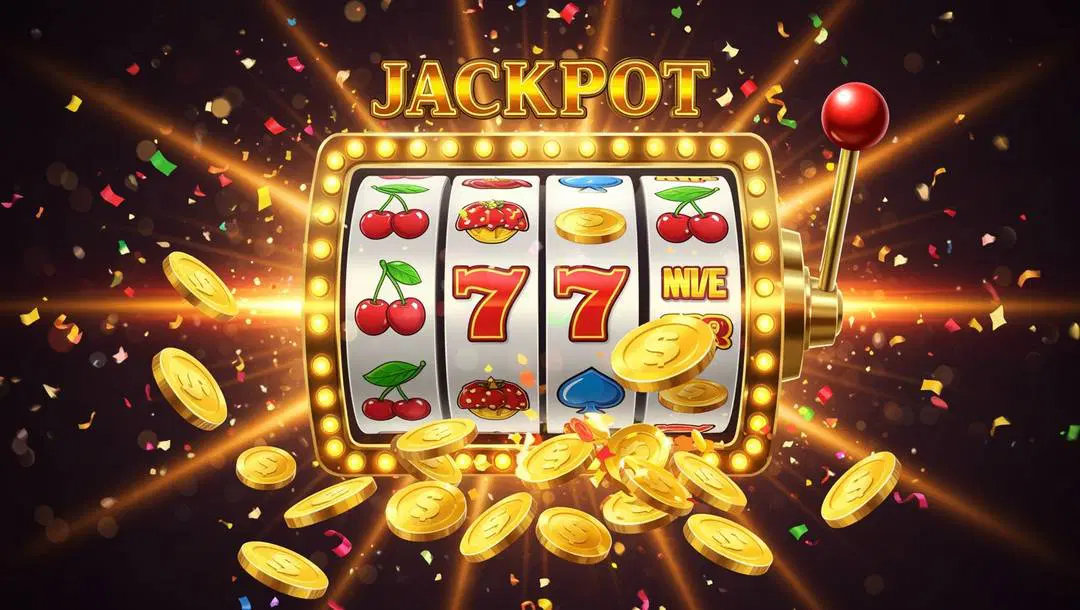
The slot machine is perhaps the most recognizable symbol of casino gaming. With just a pull of a lever—or press of a button—players can win jackpots worth millions. Modern slots come with digital screens, themed graphics, and complex bonus rounds, making them both entertaining and unpredictable.
2. Blackjack
Also known as “21,” blackjack is a game of skill and strategy where players compete against the dealer. The goal is simple: get as close to 21 as possible without going over. The game’s mix of chance and decision-making makes it one of the most popular card games worldwide.
3. Roulette
Few things are as thrilling as watching a roulette wheel spin. Players bet on where the ball will land—on red or black, odd or even, or a specific number. The suspense builds until the ball finally settles, creating moments of pure excitement.
4. Poker
Poker is not just a game of luck; it’s also a test of strategy, psychology, and patience. Variants like Texas Hold’em have become cultural phenomena, with professional tournaments broadcasted globally. The World Series of Poker (WSOP) has turned many ordinary players into millionaires overnight.
5. Baccarat and Craps
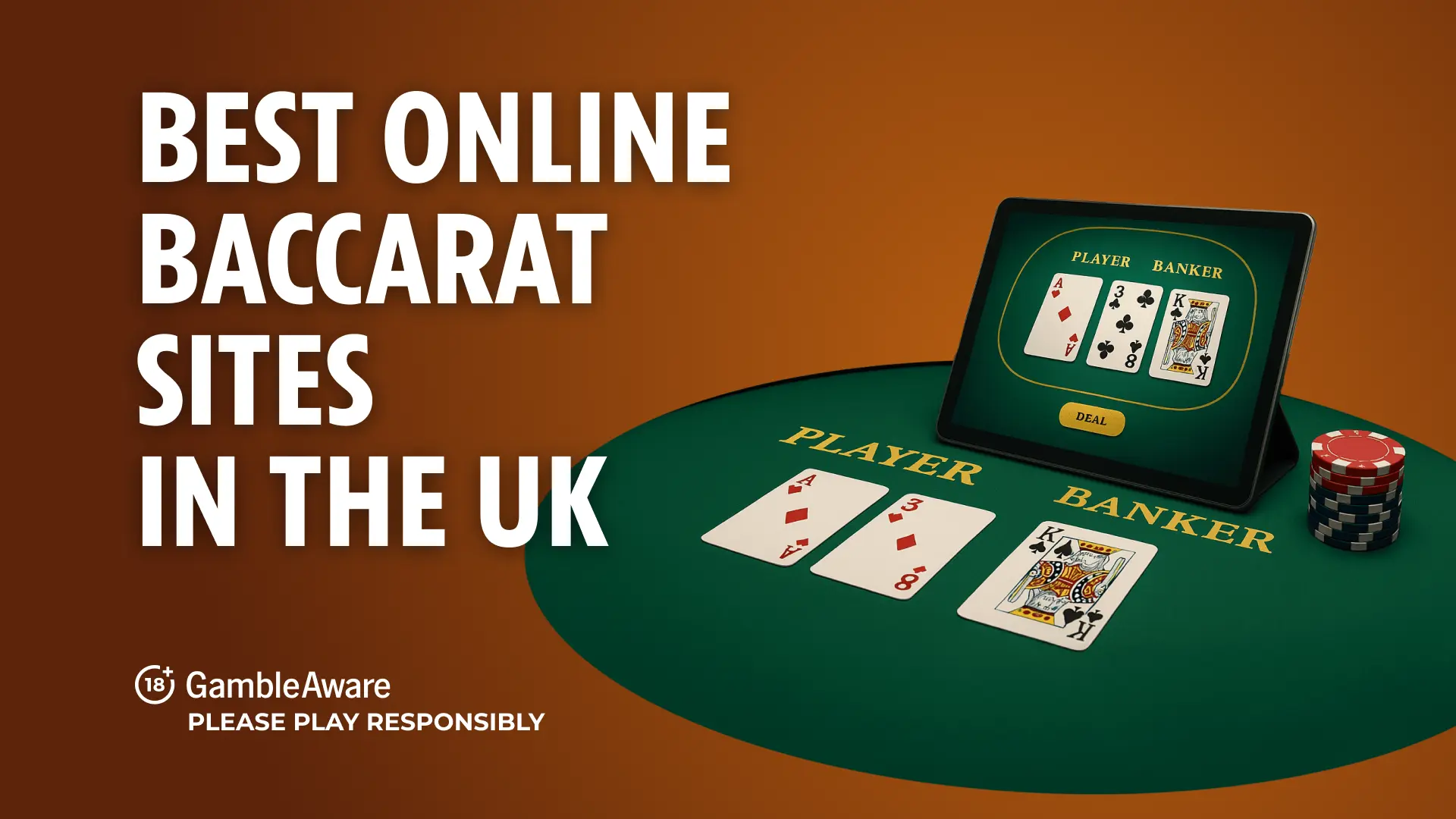
These games attract both beginners and high rollers. Baccarat is a fast-paced card game often associated with luxury, while craps involves betting on the outcome of dice rolls, creating a lively atmosphere filled with energy and cheers.
Online Casinos and the Digital Revolution
The internet changed the gambling world forever. With the rise of online casinos, players no longer need to visit a physical location to enjoy their favorite games. Platforms offer everything from virtual slots to live dealer experiences streamed in real time.
The convenience of online Slot Gacor has attracted millions of users globally. Mobile apps and secure payment methods have made it easier than ever to play responsibly from home. However, this convenience also comes with risks—especially for those who struggle to set limits. Reputable online casinos now promote responsible gaming tools such as deposit limits, self-exclusion options, and reality checks.
Additionally, the integration of cryptocurrency and blockchain technology has introduced transparency and fairness into the online gambling industry. Players can now place bets anonymously and verify game outcomes using blockchain systems, reducing the potential for manipulation or fraud.
The Economics of Gambling
The gambling industry contributes significantly to the global economy. Casinos generate billions in revenue annually, creating jobs and boosting tourism in major cities like Las Vegas, Macau, and Singapore. Governments also benefit through taxes and licensing fees.
In some countries, lottery systems and regulated betting contribute funds to public services such as education, sports development, and infrastructure projects. However, unregulated gambling markets can lead to social issues such as debt, fraud, and money laundering—making regulation essential for maintaining integrity.
Responsible Gambling: A Modern Necessity
While gambling is meant to be fun, it can become harmful when done excessively. Responsible gambling means understanding the risks, setting limits, and recognizing when to stop. Many casinos and online platforms promote campaigns to help players gamble safely.
Key principles of responsible gambling include:
- Setting a budget before playing.
- Never chasing losses or trying to win back money.
- Viewing gambling as entertainment, not a way to make income.
- Taking breaks and staying aware of time spent playing.
Support organizations and helplines are available in most regions to assist those struggling with gambling addiction. The goal is to ensure that the thrill of the game doesn’t come at the cost of one’s well-being.
The Future of Gambling
The future of gambling looks more exciting than ever. Virtual Reality (VR) and Augmented Reality (AR) technologies are bringing immersive experiences to the casino world. Imagine walking through a 3D casino from your living room, interacting with dealers, and exploring games in a lifelike environment.
Artificial Intelligence (AI) is also shaping the industry by offering personalized gaming recommendations and detecting problematic behavior early. Meanwhile, esports betting and skill-based games are attracting younger audiences who prefer interactive and competitive entertainment.
Conclusion
Gambling and casinos have come a long way—from ancient dice games to sophisticated digital platforms. They represent a blend of luck, strategy, and human psychology that continues to captivate millions. Whether in a bustling casino or on a mobile app, the essence of gambling remains the same: the hope of turning fortune in your favor.
However, it’s crucial to remember that gambling should always be about fun, not compulsion. When played responsibly, it offers excitement, social connection, and a glimpse into the timeless human fascination with chance. The world of casinos may evolve, but the thrill of the game will always endure.