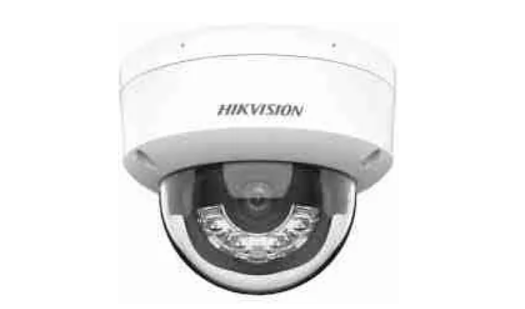
Local businesses across Kenya face mounting security challenges that directly impact their bottom line. From shoplifting and internal theft to property damage and safety incidents, these threats create financial strain and operational disruptions. Installing quality surveillance systems has become less of a luxury and more of a business necessity for those serious about protecting their investments.
Modern Hikvision Kenya solutions offer businesses comprehensive surveillance capabilities that go beyond basic monitoring. These systems provide 24/7 coverage, high-definition recording, and intelligent analytics that help identify threats before they escalate. Business owners can now access live feeds remotely, review past incidents with clarity, and maintain detailed records that support insurance claims and legal proceedings when needed.
Understanding Business Security Vulnerabilities
Real-Time Monitoring Benefits: Surveillance cameras create an active deterrent effect that discourages criminal activity before it happens. When potential thieves spot visible cameras at entry points and throughout premises, they typically move on to easier targets. This preventive aspect alone justifies the investment for many business owners who have experienced theft or vandalism in the past.
Incident Documentation Value: When security events do occur, having recorded evidence changes everything. Clear footage helps police identify suspects, supports prosecution efforts, and provides irrefutable documentation for insurance claims. Businesses without proper surveillance often struggle to recover losses or hold perpetrators accountable, leading to repeated incidents.
Loss Prevention Through Advanced Surveillance
Inventory Shrinkage Detection: Retail businesses lose substantial revenue to inventory shrinkage each year. IP camera technology enables managers to monitor stock areas, track merchandise movement, and identify patterns that indicate theft. Cameras positioned at checkouts, storage rooms, and loading bays create accountability at every point where products change hands.
Employee Accountability Systems: Perhaps the most uncomfortable reality for business owners involves internal theft. Studies suggest that employee theft accounts for a significant portion of retail losses. Surveillance systems create transparency around cash handling, stock management, and operational procedures. This visibility doesn’t just catch wrongdoing; it prevents it by establishing clear expectations.
Customer Safety Enhancement: Businesses have legal and moral obligations to provide safe environments for customers. Cameras help identify hazards, monitor crowd behaviour, and document accidents that occur on premises. This footage protects businesses from fraudulent injury claims while ensuring genuine incidents receive proper attention and response.
Operational Efficiency Improvements
Workflow Monitoring Capabilities: Beyond security applications, CCTV systems offer valuable insights into daily operations. Managers can observe customer flow patterns, identify bottlenecks in service delivery, and assess staff performance during peak hours. These observations lead to better scheduling decisions, improved customer service, and optimised space utilisation.
Remote Access Features: Modern surveillance systems allow business owners to check on operations from anywhere using smartphones or computers. This remote capability provides peace of mind during holidays, enables quick responses to alerts, and supports multi-location management. Owners no longer need constant physical presence to maintain oversight.
Evidence Collection and Legal Protection
High-Resolution Recording Standards: Quality matters significantly when footage becomes evidence. Systems with poor resolution or inadequate lighting compensation produce unusable images during critical incidents. Professional-grade cameras capture facial features, licence plate numbers, and other details that make the difference between solving crimes and accepting losses.
Data Storage Requirements: Surveillance footage has limited value if it’s overwritten before incidents are discovered or investigated. Businesses need adequate storage capacity to retain recordings for reasonable periods. Cloud storage options and expandable hard drives ensure important footage remains accessible when authorities request it weeks or months after events occur.
Key Features for Business Implementation
- Night vision capabilities ensure 24-hour monitoring effectiveness regardless of lighting conditions.
- Motion detection alerts notify managers immediately when activity occurs outside normal business hours.
- Weatherproof designs protect outdoor cameras from rain, dust, and temperature fluctuations common in Kenyan climates.
- Multiple camera support allows comprehensive coverage of large premises without system limitations.
- User-friendly interfaces enable staff to review footage quickly without extensive technical training.
Integration with Security Protocols
Physical Security Enhancement: CCTV cameras work best when integrated with other security measures. Combining surveillance with alarm systems, access controls, and proper lighting creates layered protection. These integrated approaches address vulnerabilities comprehensively rather than relying on single solutions.
Staff Training Requirements: Even the most advanced motion detection algorithms provide limited value if staff don’t know how to use the system properly. Training employees on basic operations, reviewing protocols for responding to alerts, and establishing clear procedures for handling recorded evidence maximises return on surveillance investments.
Cost Considerations and Returns
Installation Investment Analysis: Quality surveillance systems require upfront investment, but the returns often exceed costs within the first year. Consider the value of preventing a single major theft incident or avoiding one fraudulent injury claim. These systems pay for themselves through loss prevention, reduced insurance premiums, and operational improvements.
Maintenance and Longevity: Professional installation and regular maintenance extend system lifespan significantly. Cameras exposed to dust, moisture, or physical tampering require periodic cleaning and inspection. Businesses that neglect maintenance face system failures at critical moments, undermining the entire investment’s purpose.
Conclusion
Security challenges facing Kenyan businesses demand proactive solutions rather than reactive responses. Quality CCTV surveillance provides comprehensive protection against theft, liability risks, and operational inefficiencies that erode profitability. The peace of mind that comes from knowing your premises are monitored continuously cannot be overstated. Take action today by assessing your security vulnerabilities and exploring surveillance options that match your specific business needs and budget constraints.